

📌 By the way, enrollment for the April cohort of my AI workflows Bootcamp is now open. This 6-week program is designed to help data scientists develop the judgment, systems thinking, and applied AI skills that amplify their impact and set them apart in the market.
There’s a lot of talk right now about how AI is transforming the role of data scientists.
And well, depending on who you listen to, our jobs are either about to disappear or about to turn into something completely different.
So I thought it might be useful to do something simple, show you what my job actually looks like today, working at a scale-up that is adopting AI very fast.
And I can tell you right now that while AI is definitely changing the way I work, the reality of the job probably looks different from what most people imagine.
Let’s break it down.
Yes, I Still do Data Science
If you shadowed me for a week, most of what you’d see would still look like a fairly traditional data science role in tech.
I spend a large portion of my time working on projects that support product and business decisions.
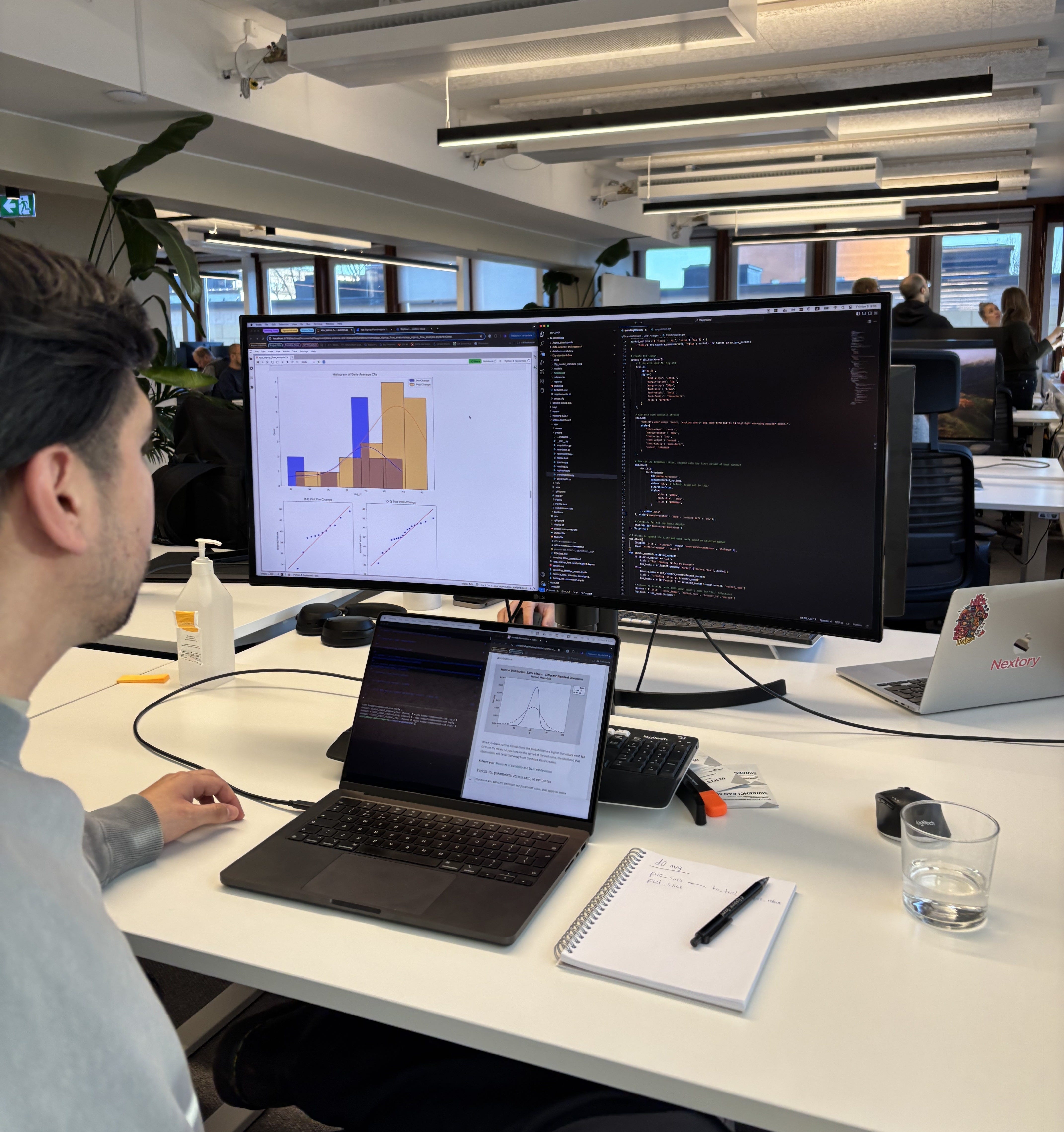
Typical questions I work on include things like:
Retention and engagement analysis
Understanding user behavior
Evaluating product changes through A/B testing
Marketing and growth analytics
At one point, I built a Markov model to better understand user behavior across the product. Not exactly the type of model that gets people excited on LinkedIn these days, but still extremely useful.
And by the way, I still spend more time writing SQL than Python.
So even in 2026, a lot of my job is still about applying the fundamentals well.
My Week Is Mostly Deep Work (Thankfully)
One thing that might surprise people about my current role is the number of meetings I have.
In my case, it’s actually quite healthy. My calendar usually includes only a few recurring meetings:
Standups with the data team
Sprint planning sessions
Occasional sessions based on projects and syncs with stakeholders
The rest of the time is mostly dedicated to deep work on projects that span weeks or sometimes an entire quarter.
That said, this hasn’t always been the case. Earlier in my career, I had roles where I was much more embedded with stakeholders and spent significantly more time in meetings.
What I’m experiencing now has a lot to do with my seniority level and the company culture at Nextory. There’s a strong understanding that if data scientists are buried in meetings all day, it becomes very difficult to actually produce meaningful work.
Right now, this structure allows me to focus much more on building, analyzing, and pushing projects forward.
AI Is Now Embedded in My Workflow
Now, the part that has changed significantly is how I work day-to-day.
AI is embedded into almost everything I do.
At Nextory, we are actually encouraged to experiment with AI tools and share how we’re using them to improve our work. In fact, I’m one of the stewards in the company helping promote AI adoption internally.
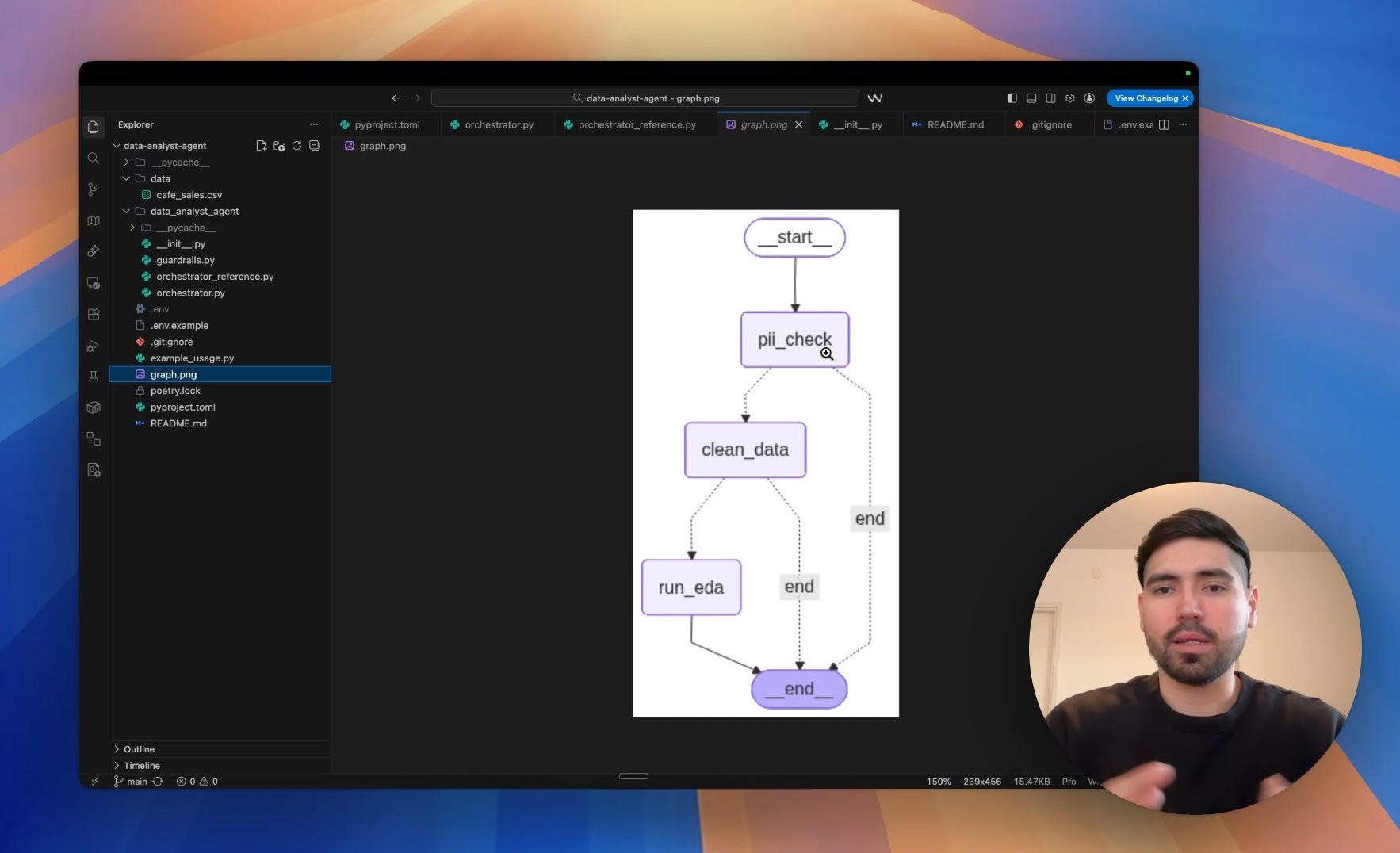
So how do I actually use AI?
Mostly to amplify my productivity.
For example, I regularly use AI to:
Write SQL queries faster
Automate parts of data cleaning and EDA
Generate complex Python code for analysis or modeling
Brainstorm analytical approaches
Summarize analysis results
Write documentation
Navigate our data warehouse and help improve data models
I also rely heavily on tools like Cursor for coding, Gemini inside the GCP ecosystem, and ChatGPT for brainstorming ideas and structuring analysis, and the same is true for my coworkers.
At this point, AI feels less like a separate tool and more like an extra layer in the workflow.
My role is a clear example of the impact of AI in our field and exemplifies the trend we are already seeing in the job market. I recently did a full analysis on this in case you are interested:

AI Hasn’t Replaced the (Real) Hard Parts
When people talk about AI changing data science, the conversation often focuses on automation: writing SQL faster, generating Python code, and building dashboards with fewer manual steps.
And yes, those parts are changing.
But what AI hasn’t replaced is the core responsibility of the job.
Things like:
Stakeholder communication
Defining the right questions
Building trust with teams
Driving adoption of insights
AI can help me brainstorm, it can help me move faster, but it still depends heavily on the context I provide.
Most of the time, I’m the one guiding the process and setting the constraints. In other words, AI speeds up the work, but the judgment still sits with me.
We’re Also Building Complex AI Systems
Beyond using AI to improve my own workflow, we’re also starting to build AI-powered systems inside the company.
One example is a Talk-to-Your-Data Slack bot that I built for stakeholders. The idea was simple: allow non-technical stakeholders to ask questions about our data using natural language and get insights faster without needing to write SQL.
It was our first step toward something closer to what people are now calling agentic analytics.
At the same time, other teams in the company are building much more sophisticated AI systems that are user-facing. For example, Nextory recently launched an AI Librarian designed to help users discover books through conversational interactions.
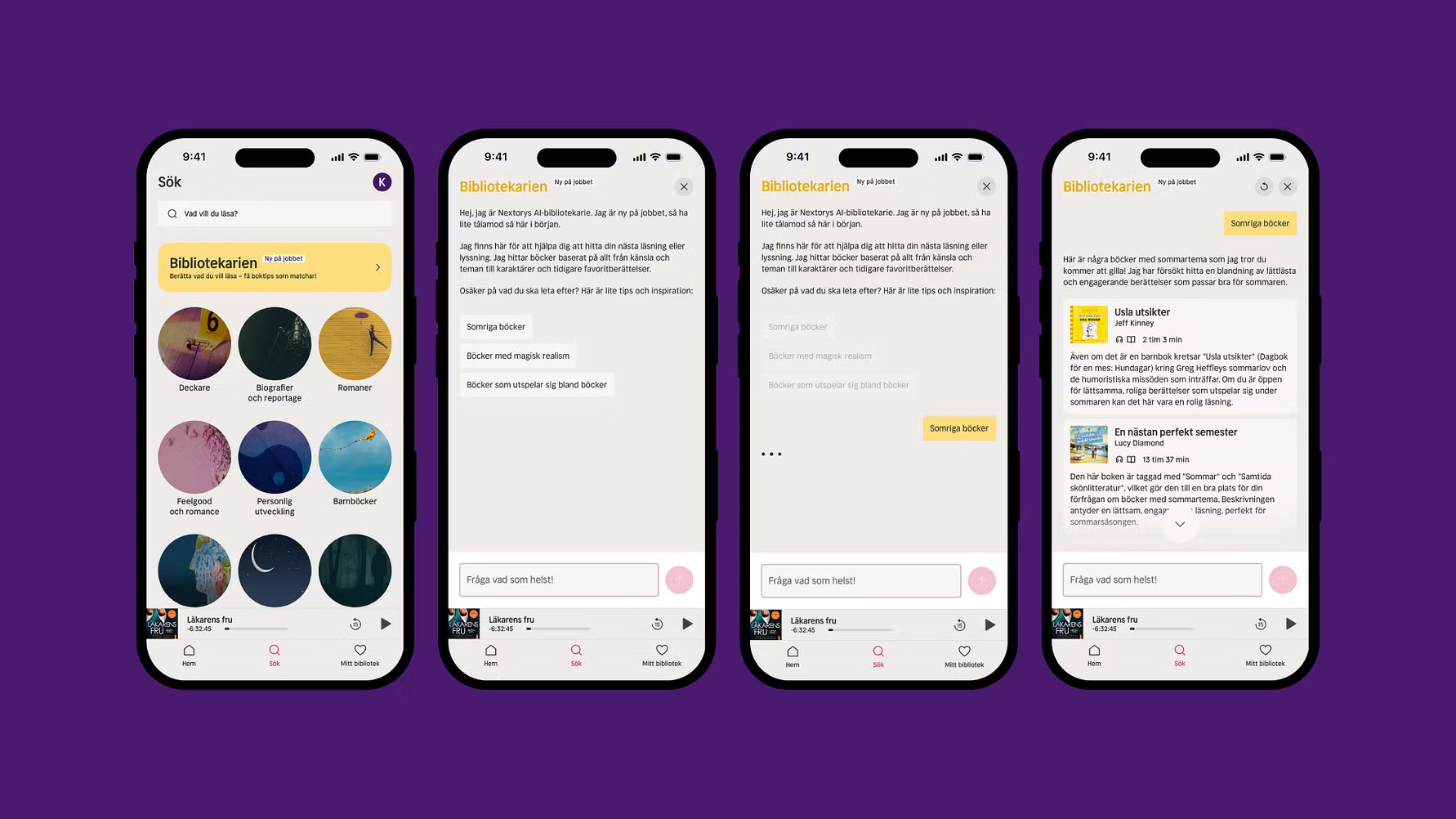
Projects like that involve data scientists, software engineers, and ML engineers working together to build production-grade AI systems that directly impact the product experience.
What’s interesting is that this is creating a wider spectrum of roles.
Some data scientists (like myself) remain closer to the business layer, focusing on analysis, experimentation, and decision-making. Others are moving closer to the engineering side, helping design and build the AI systems that power new product capabilities.
If you want to know more about this transition towards an engineering-focused role, then you want to read this article:

Final Thoughts
If someone shadowed me for a week, the biggest surprise probably wouldn’t be that I use AI.
It would be how much work I’m able to accomplish because of it.
The fundamentals of the job are still there: understanding problems, analyzing data, and helping teams make better decisions.
But AI is amplifying the work. It allows me to move faster, automate parts of my workflow, and explore complex ideas in days rather than weeks or months.
And from a career perspective, it’s also clear that these skills are becoming increasingly valuable. Being able to combine data science fundamentals with AI-driven workflows gives me a level of leverage that simply didn’t exist a few years ago.
Whatever happens in this role, I know those skills will transfer well. The tools are evolving quickly, but the core of the work remains the same.
And for me, that combination is exactly what makes this moment in the field so interesting.
A couple of other great resources:
🚀 Ready to take the next step? Build real AI workflows and sharpen the skills that keep data scientists ahead.
🤖 Struggling to keep up with AI/ML? Neural Pulse is a 5-minute, human-curated newsletter delivering the best in AI, ML, and data science.
Thank you for reading! I hope this breakdown gives you a more grounded perspective on how AI is disrupting our field.
- Andres Vourakis
Before you go, please hit the like ❤️ button at the bottom of this email to help support me. It truly makes a difference!
Really helpful insights! Well done!
Agree with a lot of this. It's been more of an amplifier for than a replacement (so far!)