

Over the past year, I’ve been coming across a growing number of open source AI tools that actually move the needle for data scientists.
Many of them I’ve run into while working on projects, experimenting on my own, or simply paying attention to what the community is building. Some stood out because they help with very concrete parts of the job, like exploration, feature work, forecasting, and working with messy inputs.
Here are my absolute favorites so far.
1. AI Sheets
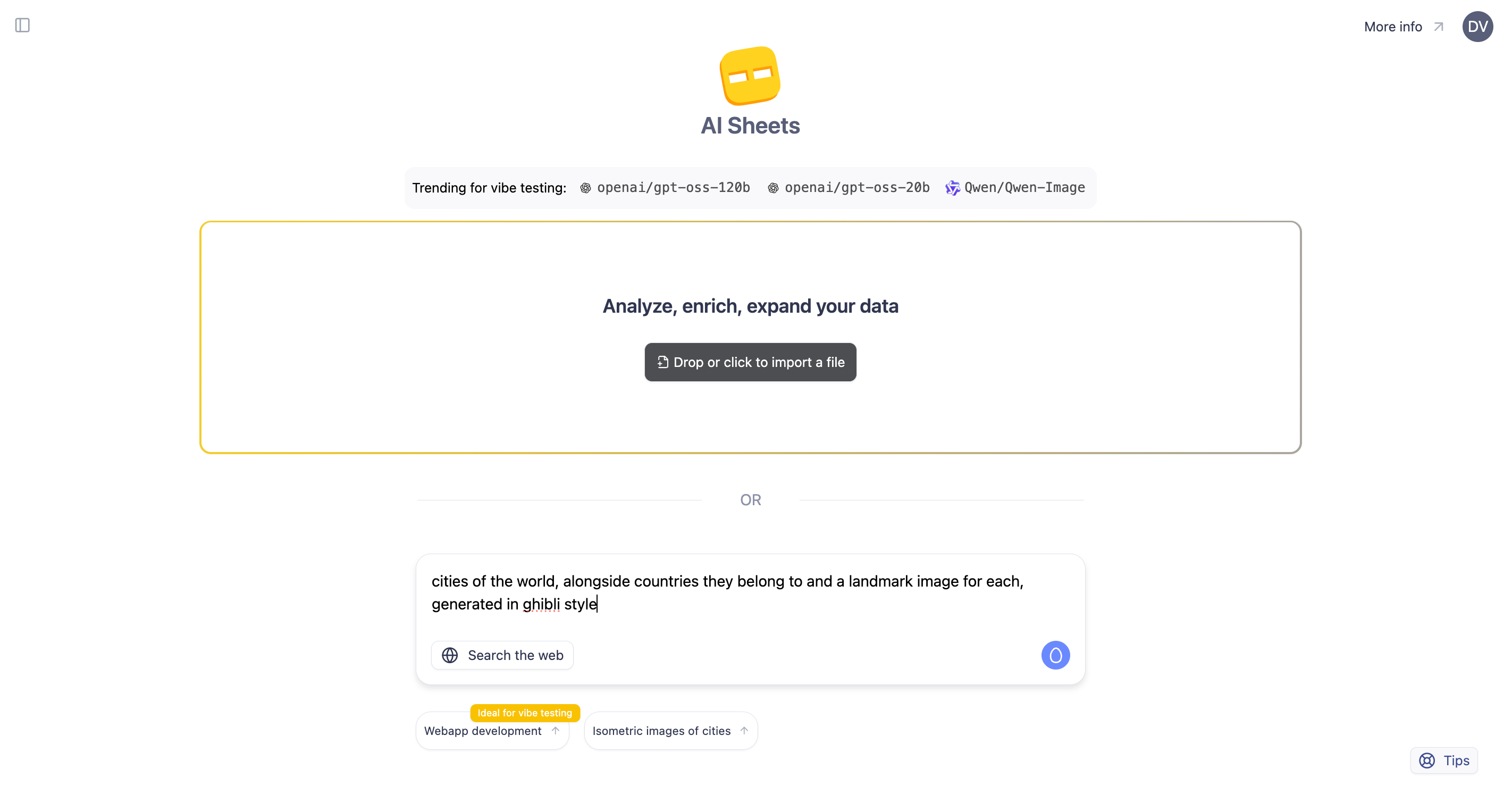
AI Sheets lets you enrich, label, and transform tabular data using LLMs directly inside a spreadsheet-like interface.
In practice, this is useful for things like generating features, classifying text columns, or adding weak labels to datasets before training a model.
2. Data Formulator
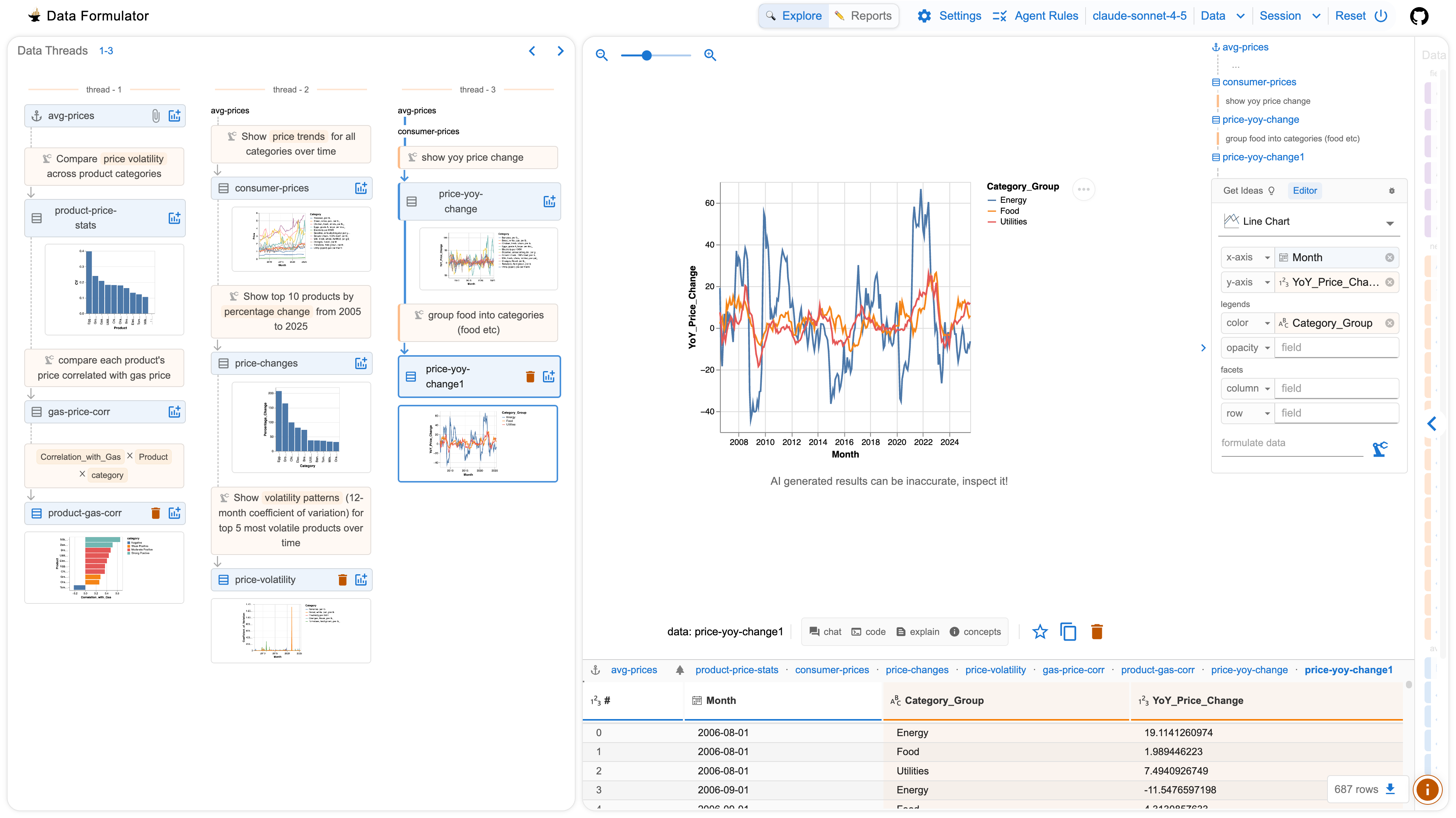
Data Formulator turns natural-language descriptions into concrete data transformations and visualizations.
It’s especially useful during early EDA, when you’re iterating on how to slice the data and don’t want to hand-write transformations you might throw away five minutes later.
3. Jupyter AI
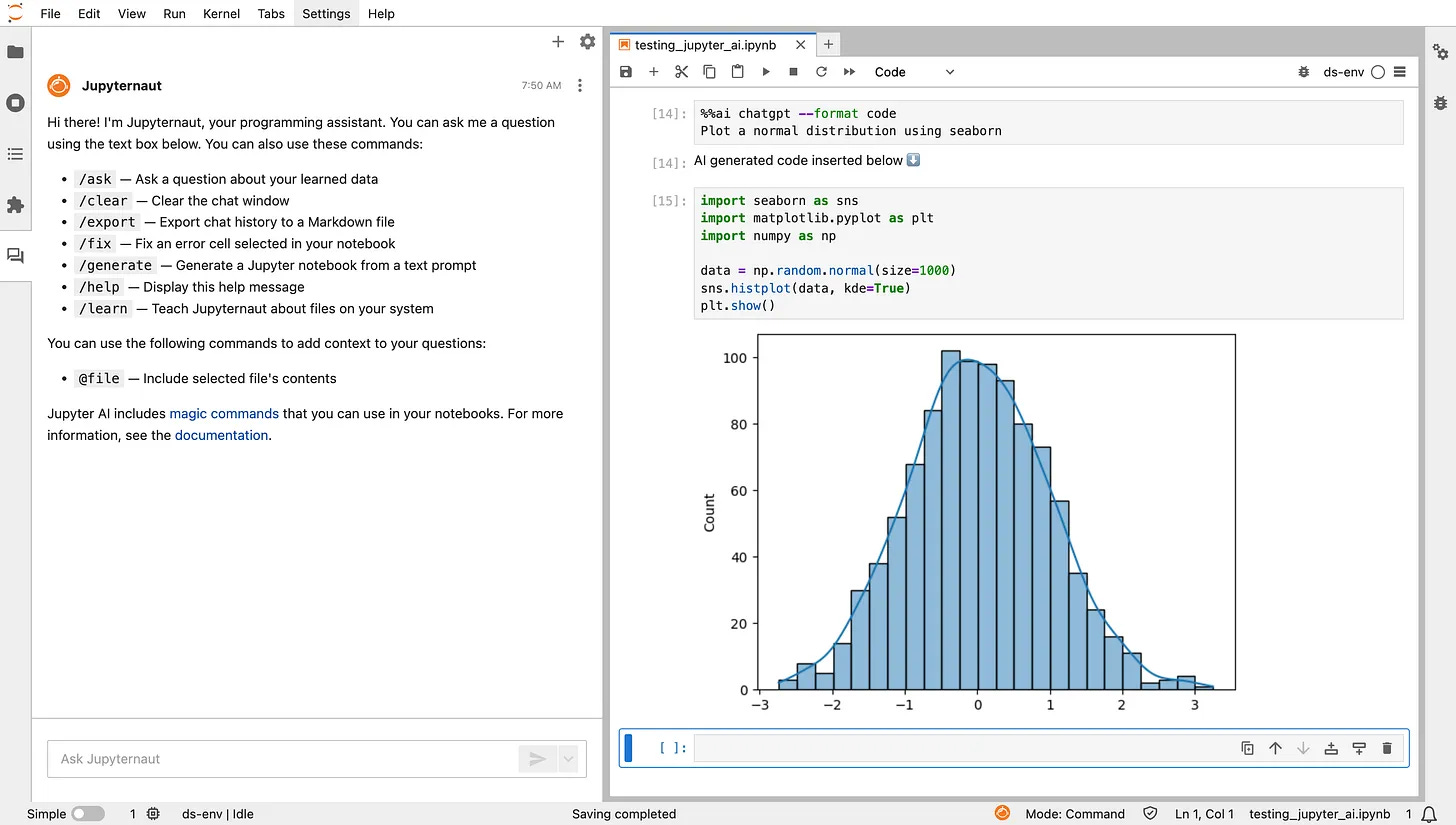
Jupyter AI brings LLM assistance directly into Jupyter notebooks, tightly coupled with your code and variables.
This works well for refactoring analysis code, explaining unfamiliar notebooks, or quickly prototyping modeling steps without breaking the notebook workflow.
If you want a more in-depth view of this tool, check out this article.
4. PandasAI
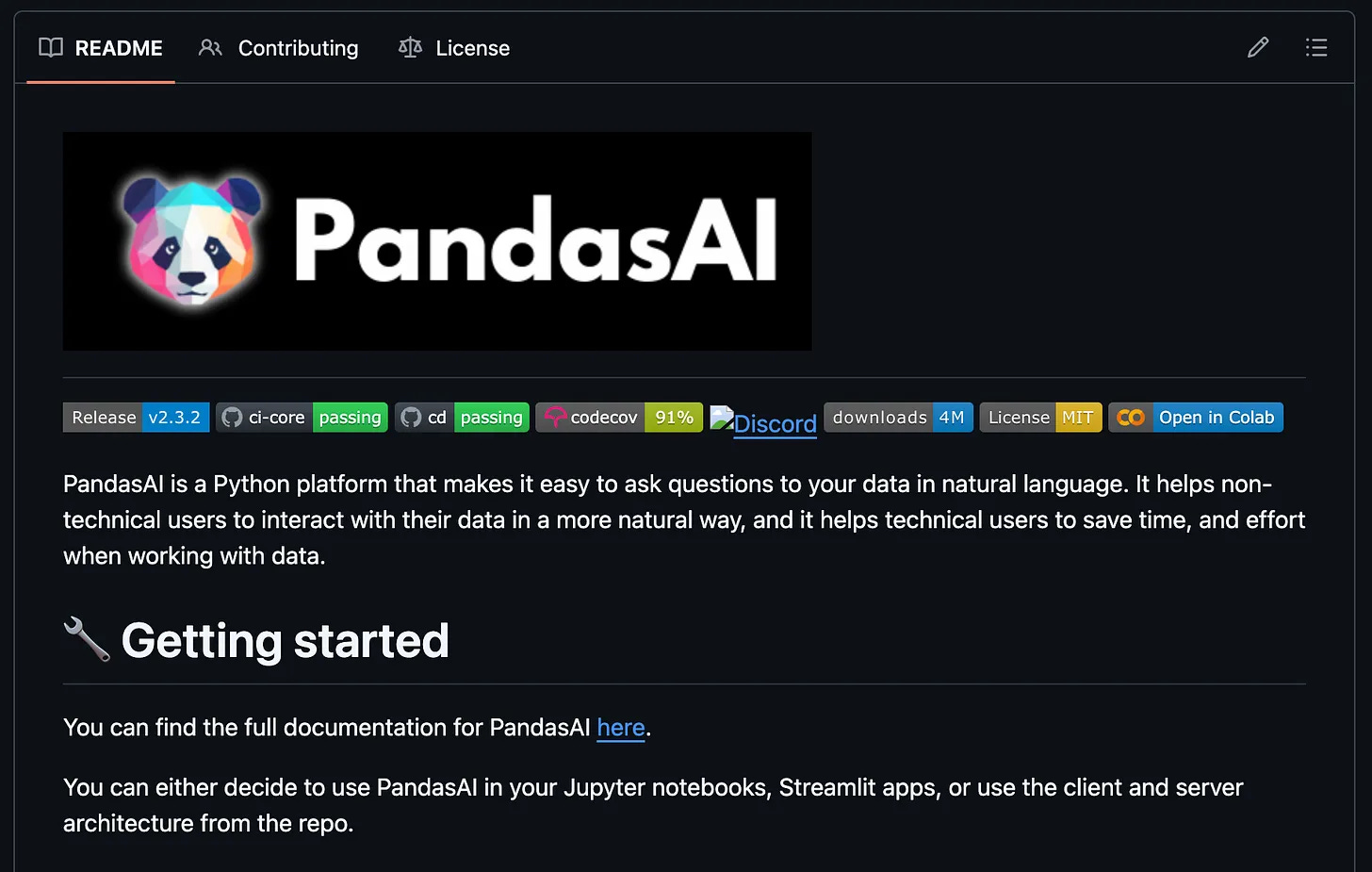
PandasAI lets you ask questions about a DataFrame in natural language and executes the corresponding pandas operations.
It’s not a replacement for pandas, but it’s very effective for speeding up EDA and sanity checks when you already know what you want to inspect.
I wrote a two-part series on how to get the most out of PandasAI. Here is the article.
5. ChartDB
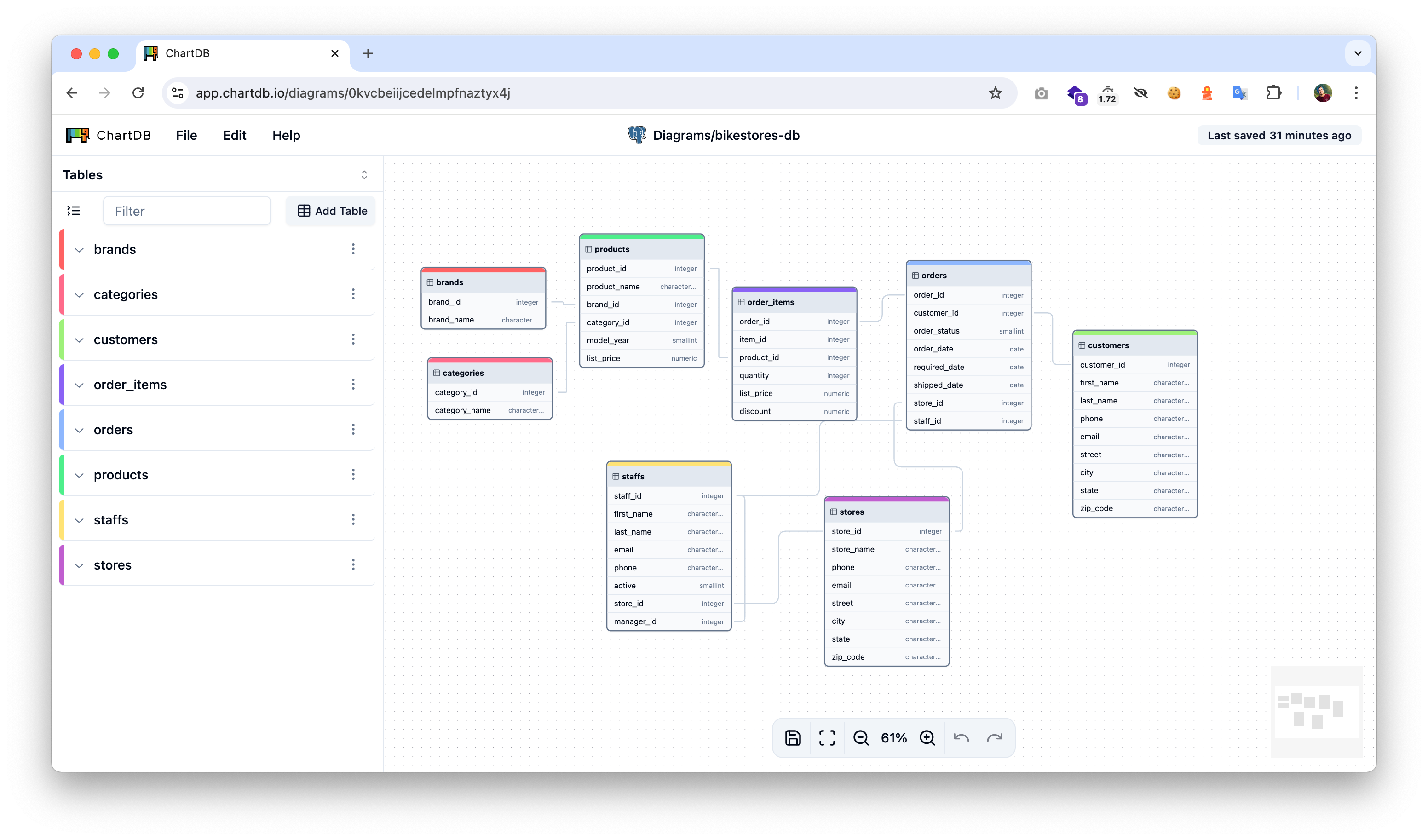
ChartDB automatically generates visual representations of database schemas and table relationships.
This is particularly helpful when onboarding onto a new data warehouse and trying to understand how raw tables connect before writing models or features.
6. MCP Toolbox for Databases
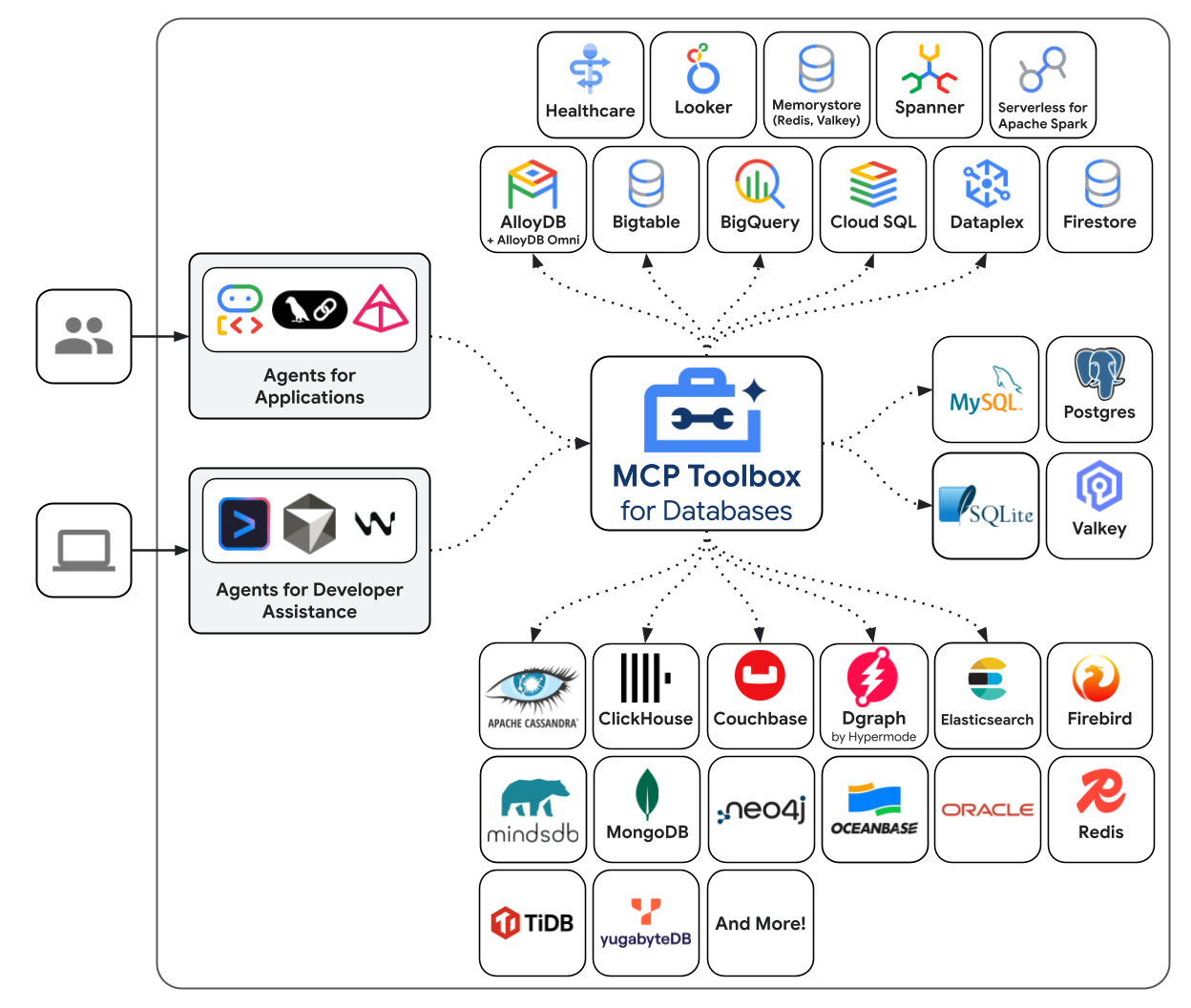
MCP Toolbox exposes databases as structured, permissioned tools that LLM agents can query safely.
This is a foundational piece if you’re building agentic analytics systems that need database access without giving an LLM free-form SQL over production data.
If you are ready to start building MCP servers, read this article.
7. TimeGPT
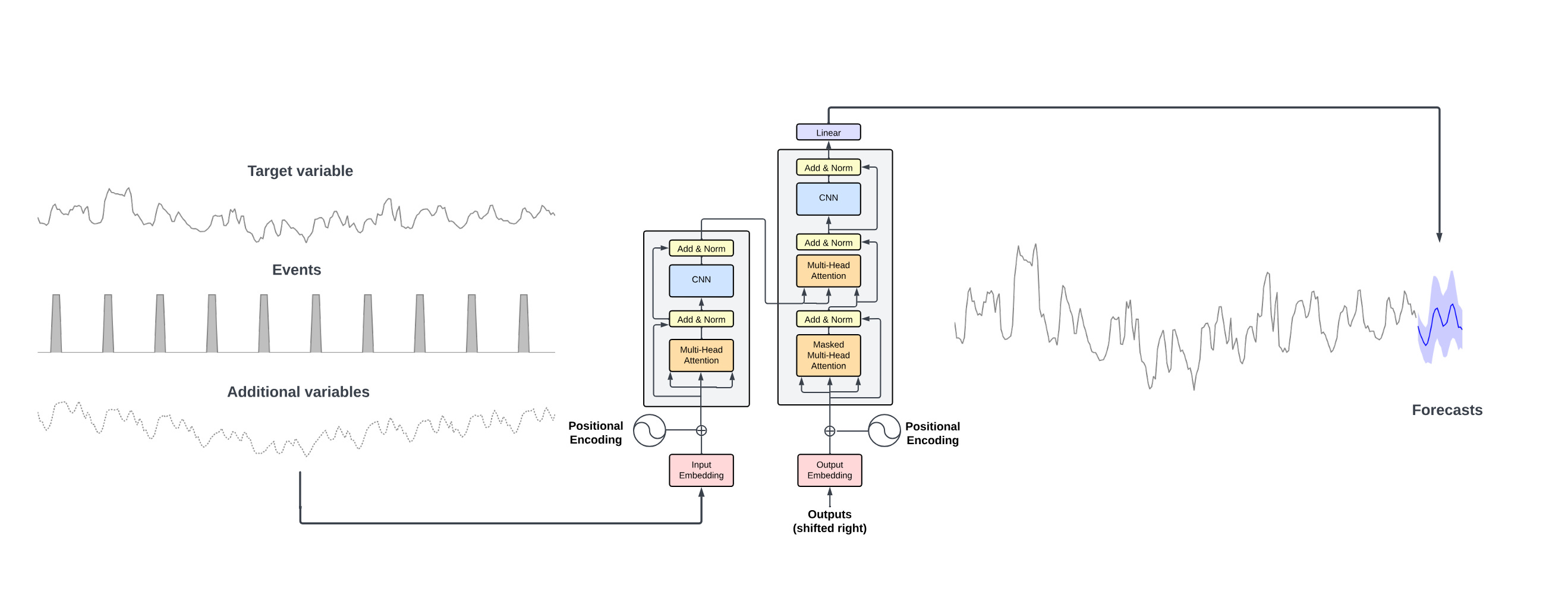
TimeGPT is a pretrained foundation model for time-series forecasting that works out of the box via an API.
It’s a strong baseline when you want fast, reasonable forecasts without spending days on feature engineering and model tuning.
If you want to learn more about foundation models, check out this article.
Bonus: MarkItDown
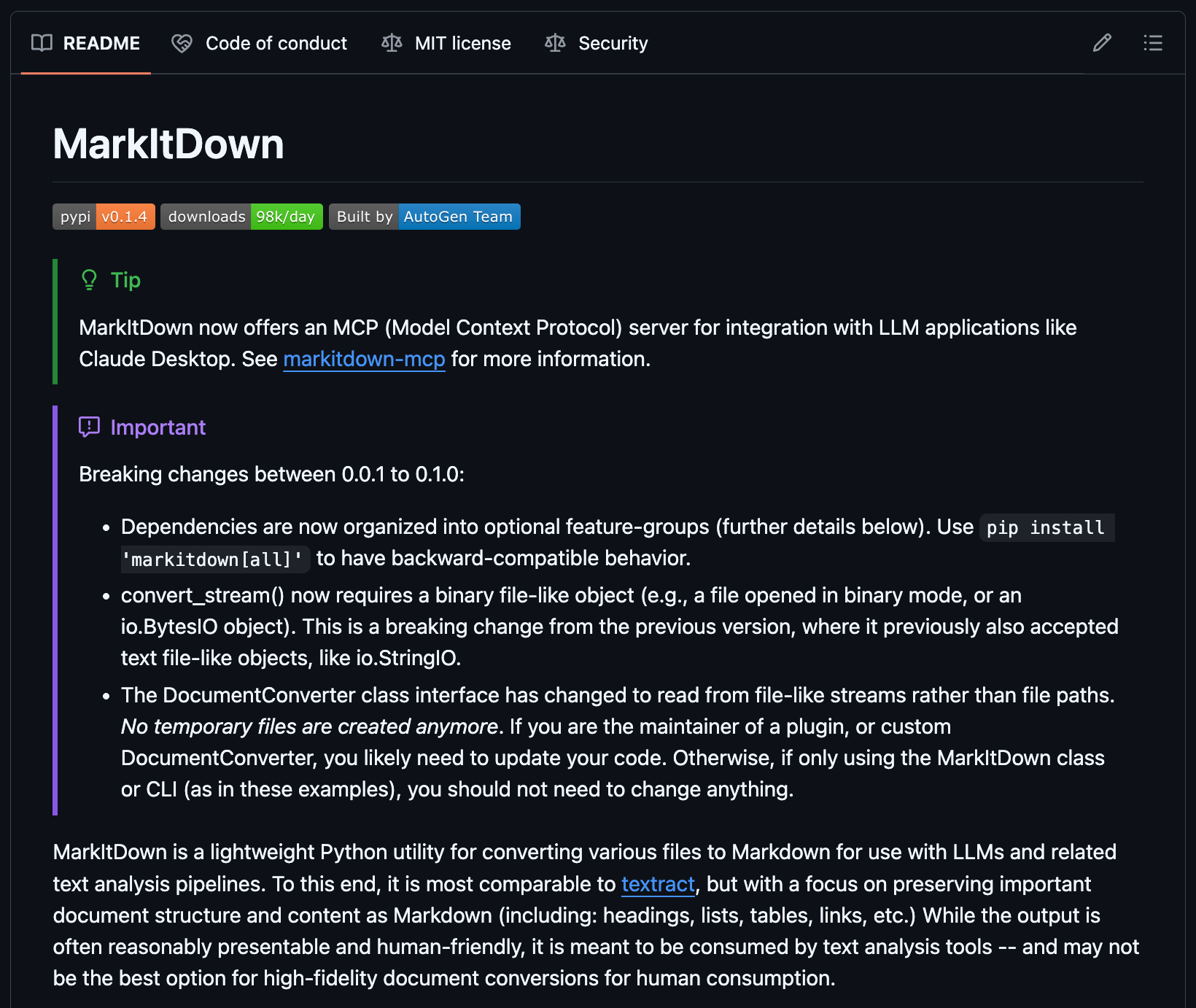
MarkItDown converts PDFs, Word files, and presentations into clean, structured Markdown.
For data scientists, this is especially useful when preparing documents for retrieval pipelines, evaluation datasets, or any RAG-style setup.
A couple of other great resources:
🚀 Ready to take the next step? Build real AI workflows and sharpen the skills that keep data scientists ahead.
💼 Job searching? Applio helps your resume stand out and land more interviews.
🤖 Struggling to keep up with AI/ML? Neural Pulse is a 5-minute, human-curated newsletter delivering the best in AI, ML, and data science.
Thank you for reading! I hope this guide helps you get the most out of your AI tools.
- Andres Vourakis
Before you go, please hit the like ❤️ button at the bottom of this email to help support me. It truly makes a difference!
ChartDB would have saved me so much time in the early days of my Analytics career. Great curated list here Andres.